Exploring shared futures of the Fens through sound.
We’re delighted to be working with the Centre for Landscape Regeneration at the University of Cambridge on Fenland Conversations. A new sound project exploring the people, stories and environments that make the Fens such a unique place. Lead Artist and CLIP Director Simon Keep reflects on his progress so far:
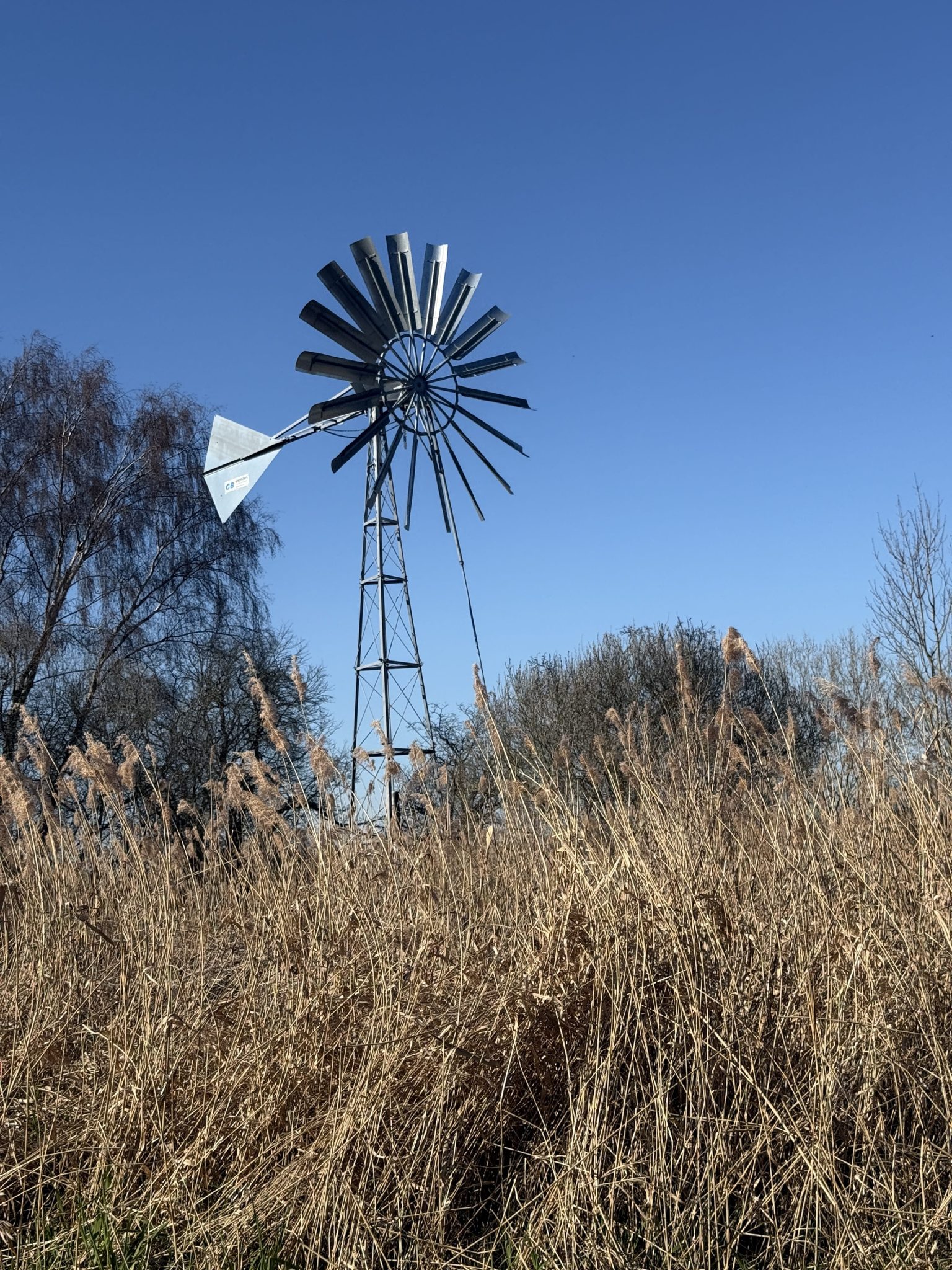
Over the past few months I’ve been travelling across the Fens. Meeting researchers, farmers, conservationists and local communities, recording conversations and the sounds of the landscape. Together, these voices and field recordings will become an evolving sound map, inviting audiences to explore the Fens through listening.
So far we’ve spoken with researchers from the Centre for Landscape Regeneration alongside archaeologists, ecologists, atmospheric scientists, conservationists, local authority officers, farmers and members of the public.
As well as discussing their research, our conversations have explored people’s personal relationships with the landscape.
People have spoken about reading the landscape through birdsong, changing water levels and the colour of the soil. They’ve shared memories of growing up in the Fens, stories of farming and archaeology, reflections on peat, wildlife and water, and ideas about how landscapes recover.
We’ve collected some wonderful words and phrases along the way. “The Graunch” and “Peak Peat Wobble” describe the unique character of Fenland peat soils, while ancient wetland names such as Ouse and Ugmere evoke the watery landscapes that have shaped the Fens for thousands of years. As one researcher put it,
[they have] such wonderful, unguent sounds. Evocative of these squidgy, organic, peaty, wet places that are really quite threatened today and need cherishing, managing and nurturing.”
It’s a reminder that the history of the Fens is embedded not only in its landscape, but also in its language.
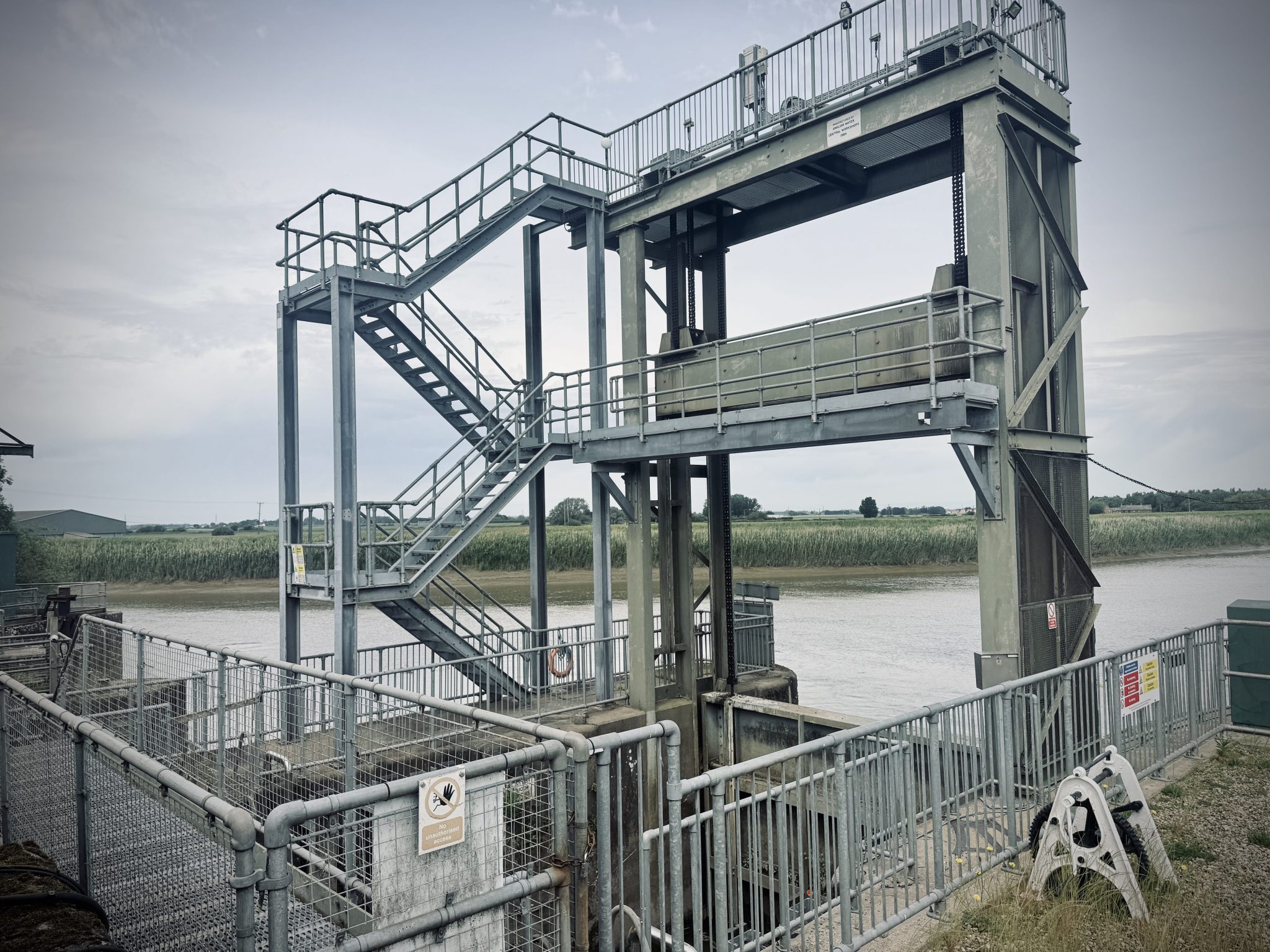
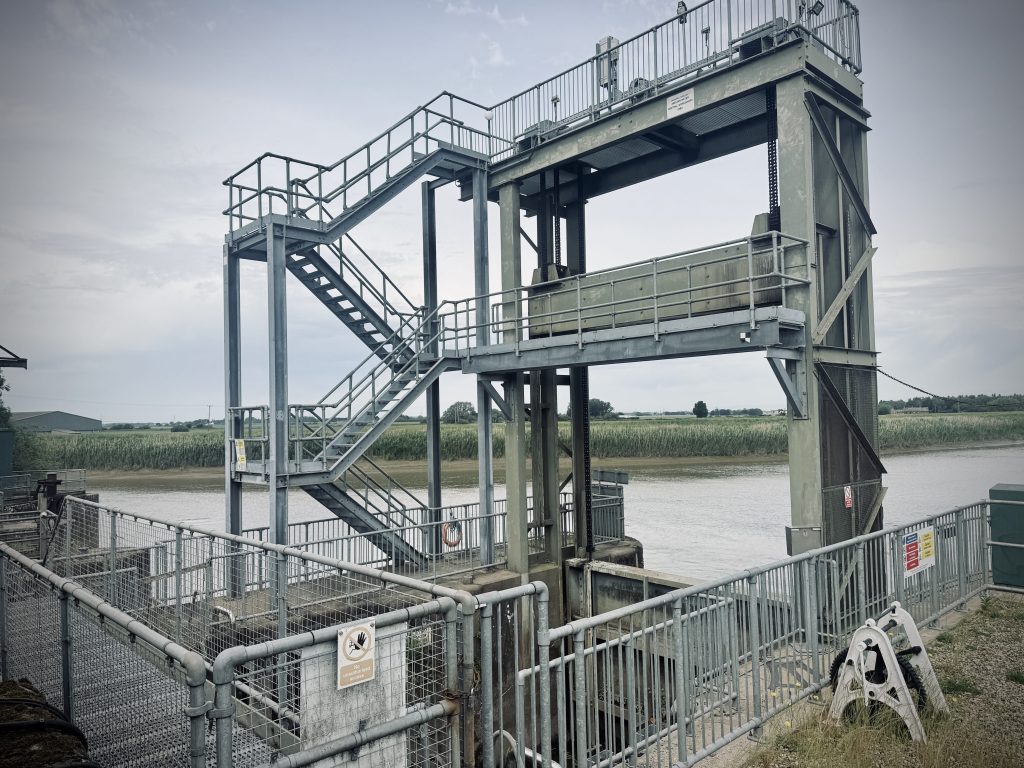
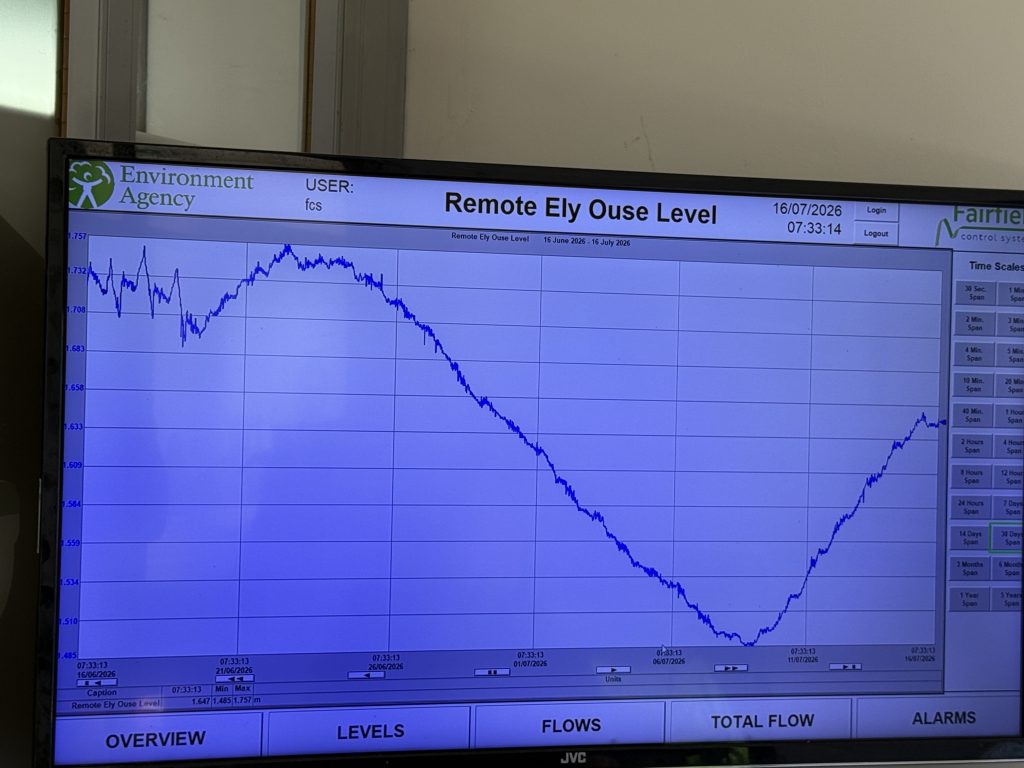
One place I’ve returned to several times is Denver Sluice, recording at different stages of the tidal cycle to hear how the landscape changes over time. Spring tides, neap tides, flowing water and creaking structures create a different composition with each visit. The recordings reveal the dialogue between natural forces and human engineering, as changing tides place different stresses on the sluice, making the movement and pressure of water audible. Both landscapes and the structures within them are constantly responding to a changing environment.
The collection of recordings are part of a growing collection of sounds that reflect both the ecology of the Fens and the experiences of the people who know it best.
The finished work will become an immersive sound installation and interactive sound map, bringing together environmental research, local knowledge and creative practice. Fenland Conversations encourages people to slow down, listen more carefully and discover new ways of connecting with this extraordinary landscape, its wildlife, waterways, communities and the people working together to shape its future.